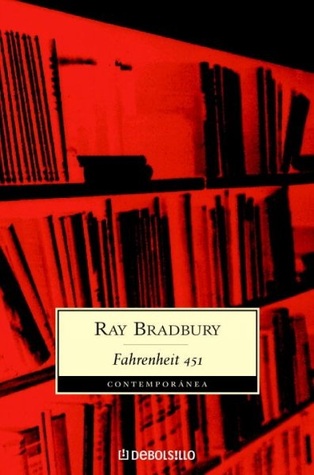
RAY BRADBURY
THREE STARS
I found the subject matter of this novel fascinating. A story surmising the perils of television, the dark possibilities associated with excess, and the hazards of political correctness; its implications are terrifying. Certainly, it's a compelling thought provoking read, especially since the hedonistic dystopian society Bradbury presents is not so alien from our own. That said, I would of enjoyed the book more if it included deeper description about the society itself, more background, more explanation about the proffered future. Of course, the rapidity of the novels pace is part of its charm, it's swift and decisive and as brisk as the chase that ensues; without sacrificing the momentum of the story, I felt there was so much that could have been expounded upon, but wasn't.

TRUMAN CAPOTE
FOUR STARS
A true crime novel- the narrative style is accordingly detached and matter-of-fact. The banal every day details, paired with the unemotional tone, amplify the shocking nature of the subject matter. A disconcerting read, one that leaves the reader appalled, terrified, and yet strangely concerned for the criminals. I couldn't put it down, and not because it was enjoyable; I think I was hoping there'd be some kind of silver lining or resolution on the last page. Of course, sometimes there isn't.

ALAN BRADBURY
THREE STARS
The friend who recommended this book to me described it as 'delightful', and though I found the first few chapters to be slow going, by the time I closed the book on the last page, I entirely agreed with her. It didn't take long for the protagonist, Flavia, to win me over. She somehow manages to be simultaneously polite and cheeky, and there's something about that incongruous balance that draws the reader in. Not life changing certainly, but a fun, light hearted read nonetheless.
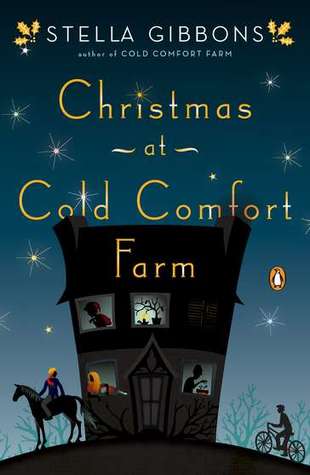
STELLA GIBBONS
THREE STARS
I enjoyed this collection of short stories. Laced with wry authorial asides, and careful, subtle wit, Gibbons' stories allow us to glimpse the make-do climate of England in the 1930's. Though WWI is by no means belaboured the series of stories reveals its effects on women in their various spheres; the career woman, the domesticate, the housewife, the spinster.
The stories, if a little obvious at times, are interesting and compelling period pieces in their own right, and for my part, the collection certainly doesn't need to be touted as some kind of continuation of Cold Comfort Farm, especially since it isn't. The title story, "Christmas at Cold Comfort farm' is out of keeping with the themes found in the remainder of the compilation, which would be infinitely more cohesive without it. I'd be far more admiring of this collection if it were allowed to stand on its own two feet, rather than being masqueraded as something it's not.
It's not Cold Comfort Farm, and that's fine. It's still an enjoyable read, and while it might not provoke all out laughter, there's still a lot to be said for a wry smile.
